



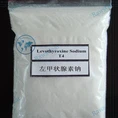
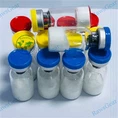
Esteroides orales
We can provide customers with many types of chemicals and chemical raw materials. Including anabolic steroid raw materials, oral steroids, semi-finished oils, peptides, Sarms, pharmaceutical raw materials, testosterone, steroid raw materials, anti-estrogens and PCT, etc.
We can provide a variety of transportation methods, such as domestic shipments in the United States and domestic shipments in the European Union (DHL in Germany). In addition, we can ensure safe shipping in Canada and arrival within 7 to 15 days, and safe shipping in Australia with a 99% pass rate (we have a 100% free reshipping policy).


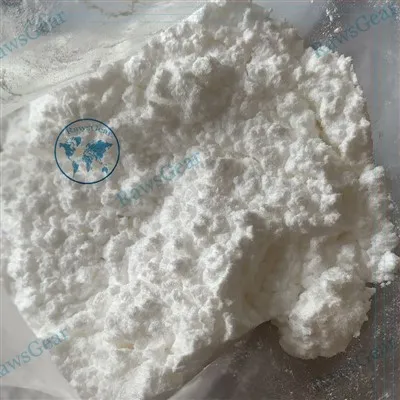




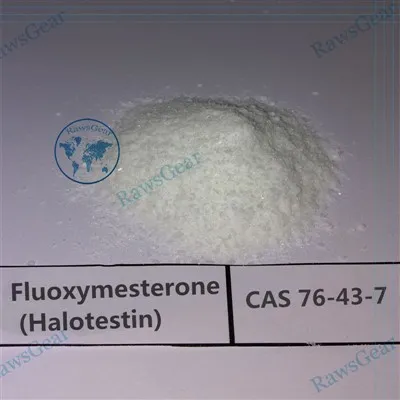

Steroid medicines are man-made but are similar to these natural hormones. Steroid medicines used to treat disease are also called corticosteroids. Oral steroids are used to treat a large number of conditions, usually by reducing inflammation or the effect of the persons immune system. Some examples include: inflammatory bowel disease (e.g., Crohn's disease, ulcerative colitis), autoimmune diseases (e.g., systemic lupus erythematosus (SLE), autoimmune hepatitis), relapses of multiple sclerosis, joint and Muscle diseases (e.g., rheumatoid arthritis, polymyalgia rheumatica), allergies, asthma, chronic obstructive pulmonary disease (COPD), croup. Oral steroids are also used to treat the effects of some cancers or to treat conditions in which a person is not making enough of their own natural steroids (for example, in Addison's disease, congenital adrenal hyperplasia and hypopituitarism).

Steroids are a man-made version of hormones normally produced by the adrenal glands which are 2 small glands found above the kidneys. Steroids reduce redness and swelling (inflammation). This can help with inflammatory conditions such as asthma and eczema. Steroids also reduce the activity of the immune system, which is the body's natural defence against illness and infection. This can help treat autoimmune conditions, such as rheumatoid arthritis or lupus, which are caused by the immune system mistakenly attacking the body.
*Anti-inflammation: Steroids are primarily anti-inflammatory. They inhibit inflammatory pathways and minimize the production of inflammatory chemical mediators. Steroids effectively reduce inflammation and further tissue damage.
An active immune system is vital as your natural defense against illness and infection. But in cases of autoimmune conditions, it can be a cause of disease. Autoimmune diseases occur when your immune system mistakenly attacks your healthy cells. The immune-suppressive effect of steroids is one of the main mechanisms by which it helps treat immune-mediated diseases, like psoriasis, rheumatoid arthritis, and others.
Auto-Immune Diseases:
After an organ transplant, your immune system may see the transplanted organ as a harmful, foreign body that it needs to attack. The suppression of your immune system by steroids decreases the risk of organ rejection. These steroids are called immunosuppressive or anti-rejection medicines.
COVID-19: Patients with severe COVID-19 may develop a systemic inflammatory response that results in lung injury and organ failure. The anti-inflammatory and immunosuppressive properties of steroids can prevent adverse effects in critically ill patients with COVID-19.
Corticosteroids, also known as steroids, are life-saving drugs prescribed by medical practitioners for the effective management of potentially life-threatening illnesses like asthma, autoimmunity and cancer. Although it is very effective, steroids come with a host of undesirable side effects such as osteoporosis, hyperglycaemia, Cushing s syndrome, depression and immunosuppression which can alter the quality of the patient s life. We list down six important lifestyle tips to mitigate the side effects of steroid treatment.
Corticosteroid usage causes sodium retention in the body, which in turn causes fluid retention and weight gain. Avoiding salt in your diet is one way to address this problem effectively. Apart from salt, stay away from processed food, soy sauces and other store-bought condiments which may be high in sodium. Find out how you can beat salt cravings.
Corticosteroids are anti-inflammatory medicines which hamper immune functions. If you are on these medications, your body is immune-compromised or ill-equipped to deal with some of the infections that may come your way. Following proper hygiene, keeping your nose and mouth covered, and avoiding close contact with infected people may help you stave off infection till the time you are on steroids.
One of the commonest side effects of steroids is the increase of glucose levels in the blood. If you have existing diabetes problems, your physician should be notified. Monitoring your blood sugar levels during the treatment is also necessary. Staying away from carb-laden food and sugary beverages will also help.
Peptic ulcer disease, tuberculosis, active infections and psychosis are all contraindications to the prescribing of oral corticosteroids. Patients need to be screened for symptoms of psychosis, which may include a history of depression, delirium, hallucination, confusion or distress. Steroids are also contraindicated during pregnancy. Children should be prescribed steroids with caution due to inhibition of growth with steroid medications. Corticosteroids may also cause interactions with other medications the patient may be taking, and it will be important to review their current medications prior to prescribing. Caution is advised with nonsteroidal anti-inflammatory agents or anticoagulants, which may need prophylaxis to avoid gastroduodenal toxicity. While not a contraindication, patients with comorbidities - including diabetes mellitus, poorly controlled hypertension, significant cardiovascular issues (i.e., atherosclerotic disease and arrhythmias), cataracts, glaucoma, peptic ulcer disease and osteoporosis should be prescribed steroids judiciously. It is wise to consult with the patient's primary care provider or internist when considering oral steroid therapy for these individuals.
With long-term use, some of the more common side effects of steroids include changes in appearance, such as acne, development of a round or moon-shaped face and an increased appetite leading to weight gain. Steroids may also cause a redistribution of fat, leading to a swollen face and abdomen, but thin arms and legs. In some cases, the skin becomes more fragile, which leads to easy bruising. These take weeks to begin appearing. The following are possible side effects of taking too much oral steroids:
Other side effects that may be caused by the long-term use of steroids include cataracts, muscle weakness, avascular necrosis of bone and osteoporosis. These usually do not occur with less than four weeks of treatment.
Steroids reduce calcium absorption through the gastrointestinal tract that may result in osteoporosis, or thinning of the bones. Osteoporosis can lead to bone fractures, especially compression fractures of the vertebrae, causing severe back pain. Calcium, at least 1500 mg of the calcium carbonate form or equivalent, should be taken. There are new medications (Fosamax in particular) that also may help to prevent osteoporosis.
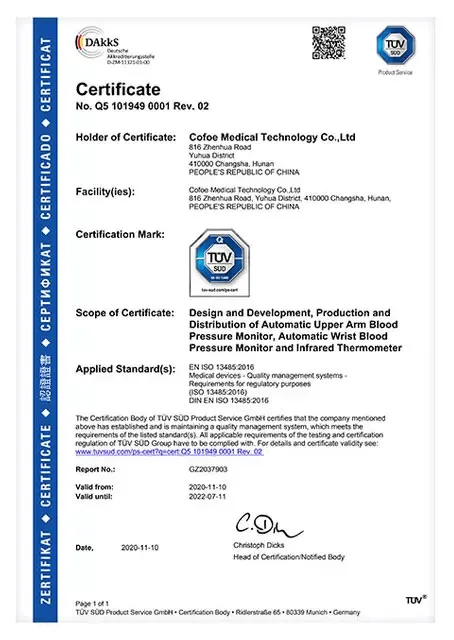
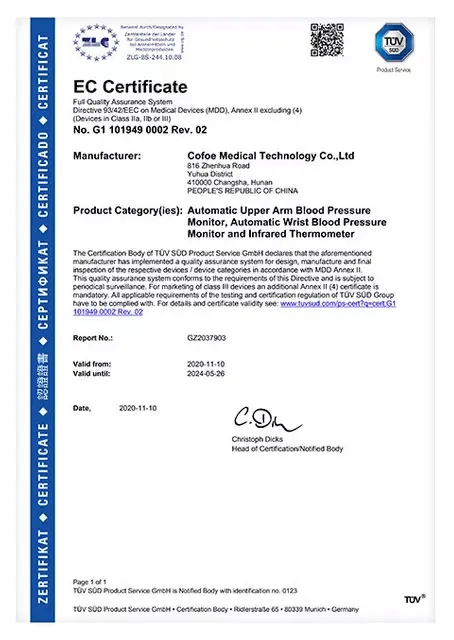
As one of the leading oral steroids suppliers in China, we warmly welcome you to buy cost-efficient oral steroids for sale here from our factory. All our products are with high quality and competitive price.